On this page4
Apartment Organization That Survives a Rental
Organizing a small apartment is not about buying bins. It is giving the six places clutter collects a proper home, measuring first, and running a weekly reset.
As an Amazon Associate, this website earns from qualifying purchases.
The six places clutter actually collects
Mess in a small apartment is predictable. It gathers in the same spots in every rental, and each one fails for a physical reason — not because you are lazy. Fix the reason and the pile stops rebuilding.
| Spot | Why it fails | What to do |
|---|---|---|
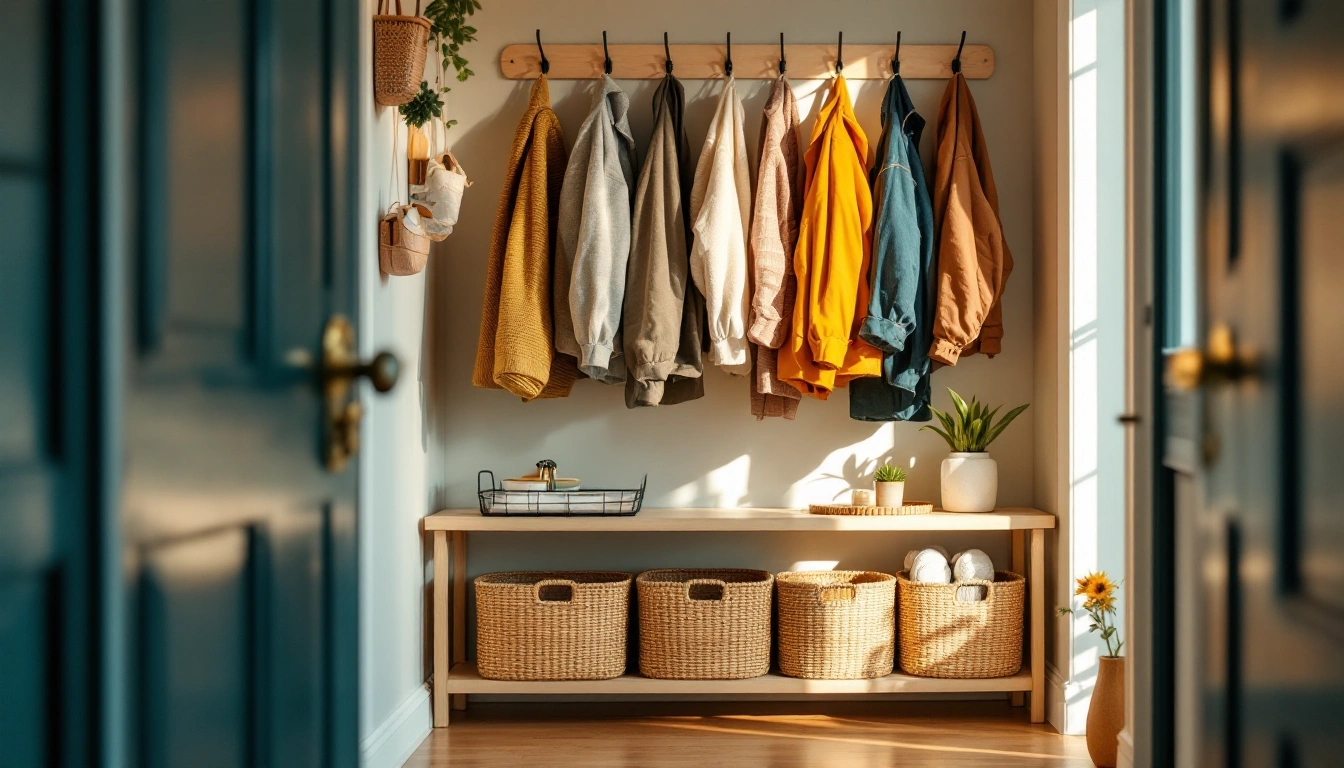
| The entry drop zone | Keys, mail, shoes and a bag land in the first two feet inside the door because there is nowhere else. By Thursday it is a pile. | Give the pile a container instead of fighting it. A shallow tray for keys, a hook strip on the door itself, and a shoe rack you can step past. Browse options on Amazon → |
| Under the kitchen sink | The pipe runs straight through the middle, so a normal shelf will not sit flat and everything gets stacked in front of the thing you need. | Use two small stacking shelves either side of the trap, not one wide unit, and keep daily cleaners in a caddy you can lift out whole. Browse options on Amazon → |
| The one deep cabinet | Every rental has a cabinet about 24 inches deep. The back 10 inches become a museum of things bought twice. | Bins with handles, so the back becomes a drawer you pull. Nothing goes in loose. Label the front edge, even if it feels excessive. Browse options on Amazon → |
| Under the bed | The best storage in the apartment, usually wasted, usually because someone bought a bin two inches too tall to fit. | Measure the clearance first, then use flat rolling bins for off-season clothes and spare bedding. Not for anything you need weekly. Browse options on Amazon → |
| Cables and chargers | Three chargers, one working. A router with six feet of slack coiled behind a plant. | One box holds every spare cable. Live cables get clipped along the back edge of the desk and tagged, so you can pull the right plug without crawling. Browse options on Amazon → |
| The chair that became a wardrobe | Clothes that are not clean but not dirty have no home, so they get a chair. Then the chair has no floor. | Three hooks on the back of the bedroom door is the whole answer. Worn-once clothes hang there and go back in the closet or in the wash on laundry day. Browse options on Amazon → |
Measure before you buy anything
The most common organizing mistake is ordering a bin that does not fit. Spend four minutes with a tape measure and keep the numbers in your phone.
- Cabinet shelves — Depth front to back, and height between shelves. Usually 11-13 inches deep above the counter, about 24 below. A bin deeper than the shelf stops the door closing.
- Under-bed clearance — Floor to the underside of the frame. Six to seven inches on a standard frame, three or less on a platform bed. Buy a bin an inch under the number you measured.
- Door thickness — The edge of the door, plus any trim above it. Interior doors run about 1 3/8 inches. Over-door hooks are sold for that or for thicker doors — the wrong one either rattles or will not seat.
- The doorway itself — Width of the narrowest door on the route in. Do this before any shelf unit arrives. A 30-inch unit and a 28-inch bathroom door is a returns label.
If you do not own a tape measure yet, it belongs on the basic apartment toolkit list before any storage purchase.
The renter rule: nothing goes into a wall
Assume every hole costs you deposit money until your lease says otherwise. That rules out floating shelves and wall-mounted rails, and it rules in tension rods, over-door hooks, adhesive strips rated well above the weight you are hanging, and freestanding units that lean on nothing. Adhesive hooks fail when the wall is dusty or the weight is at the limit, so clean the spot with rubbing alcohol first and buy for double the load. For anything heavy, freestanding wins: a narrow shelf unit in a corner does the job of wall shelves and leaves with you. More non-damaging options live in decorating without losing your deposit.
The reset that keeps it running
A system is not the bins, it is the twenty minutes that puts things back. Run this weekly, same slot, and the place never gets bad enough to need a whole Saturday.
- Clear every flat surface first — counter, table, the desk. Flat surfaces are where a system fails visibly.
- Anything in the wrong room goes into one basket, then gets carried once, not six times.
- Trash and recycling out, including the box that arrived on Tuesday.
- Dishes to zero, then wipe the counter. A clear counter on Sunday night buys you the whole week.
- Put back the three things you use every day last, so their homes stay obvious.
Pair it with an apartment cleaning schedule so the reset and the cleaning share one hour. Room by room, the same logic runs through kitchen organization and closet organization.