Renter-Friendly Upgrades That Won't Cost Your Deposit
Swap in better lighting, dress up walls with Command strips or removable wallpaper, and swap hardware while keeping the originals — all fully reversible, none of it risking your deposit.
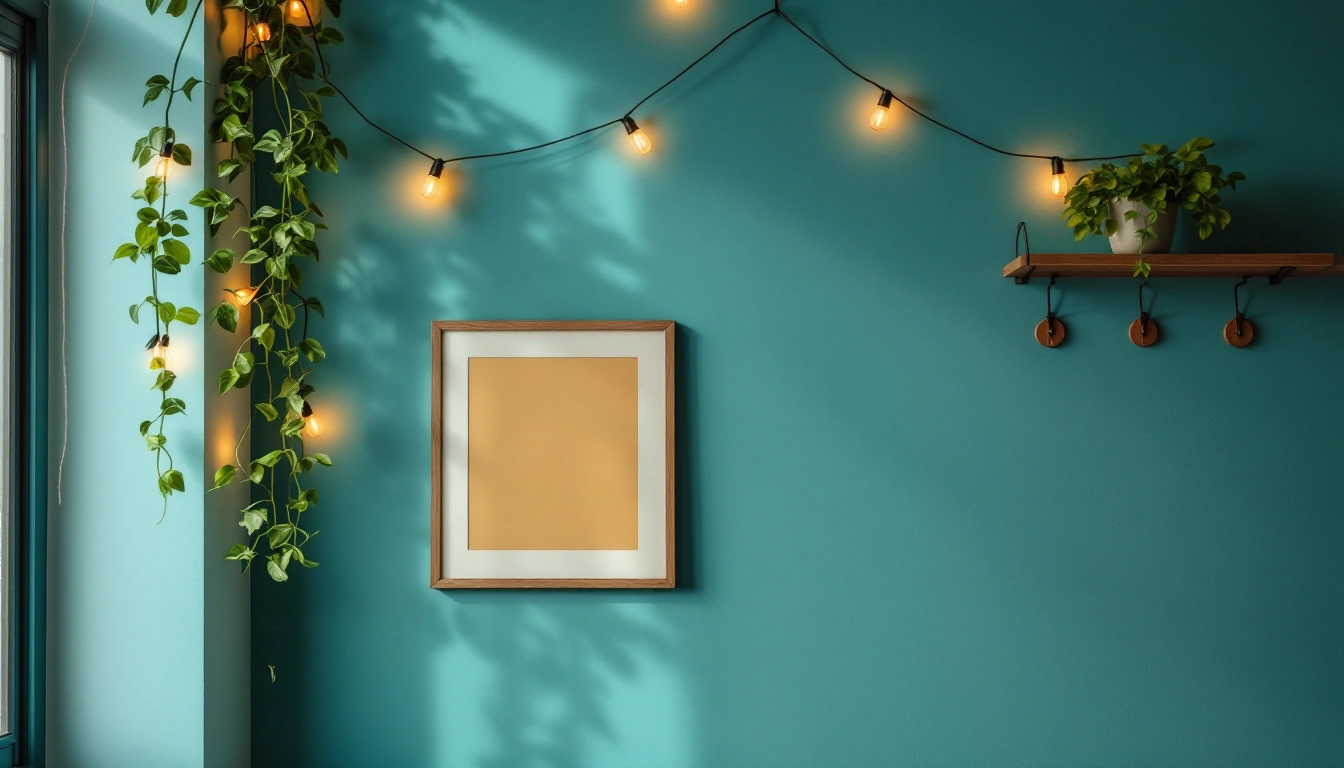
A rental can feel like yours without a single hole in the wall. The trick isn't restraint — it's picking upgrades that are damage-free by design, and keeping proof (and the original parts) so move-out is a non-event. Make it yours without making it your deposit's problem.
Lighting
- Plug-in floor or table lamps with warm bulbs instead of relying on the overhead light ($20–50 lamp, $5–10 bulb)
- Battery or plug-in LED strip lights under kitchen cabinets — no wiring, no electrician ($15–30)
- A dimmer plug adapter for any lamp, if the fixture itself has no dimmer ($10–20)
- String lights hung on Command hooks in a bedroom or over a headboard ($10–20)
Worth knowing: Lighting changes the entire feel of a rental for the least money and zero risk — no landlord has ever docked a deposit for 'too many lamps.'
Walls
- Command strips and hooks, matched to the item's actual weight rating — the single most useful wall tool a renter owns ($10–25 per project)
- Removable, true peel-off wallpaper for one accent wall — check the product specifically says removable, not just 'temporary' ($20–40 per roll)
- Leaning large art, mirrors, or a full-length mirror against the wall instead of hanging it — zero holes, zero adhesive, and it reads intentional
- Painter's tape or washi tape for lightweight paper prints and posters
Worth knowing: Test any adhesive in a hidden spot first — inside a closet, behind a door — for 24 hours before committing to a full wall. Some paints react differently than the label promises.
Reversible hardware swaps
- Cabinet and drawer knobs or pulls — swap for your style, and keep the originals in a labeled bag taped inside the cabinet ($15–30 for a kitchen's worth)
- A showerhead upgrade — most twist off without tools; box the old one on a closet shelf ($15–35)
- A faucet aerator swap for pressure or finish, original kept in a drawer ($5–15)
- Adhesive-mount hooks or a mirror in place of anything that would need a screw
Worth knowing: The keep-the-original rule is the whole trick. A labeled bag taped inside a cabinet takes ten seconds and turns 'technically reversible' into 'actually reversed' the day you move out.
Peel-and-stick, everywhere else
- Peel-and-stick tile over a dated backsplash or bathroom tile — only the versions explicitly labeled removable ($20–40 per project)
- Peel-and-stick contact paper for shelves and drawer liners ($8–15)
- Vinyl decals for smaller accents ($10–20)
Worth knowing: These live and die by the adhesive. Cheap, permanent versions of the same product often sit on the shelf right next to the removable ones — read the label before you peel.
What never to do
Every upgrade above is reversible on purpose. These aren't — skip them even if a tutorial makes them look easy.
- Paint without written landlord permission, even if you plan to paint back — mismatched or half-finished touch-up paint is its own deduction
- Drill without checking the lease, even for something small — 'I'll patch it' isn't the same as 'I was allowed to'
- Cut into drywall or tile for any reason
- Use permanent double-sided mounting tape or construction adhesive marketed as 'heavy duty' — it's built to not come off, which is the opposite of what you want
- Toss the original hardware, blinds, or fixtures you removed — box them and keep them until move-out
Why all of this matters at move-out
None of this is decorating advice for its own sake — it's deposit protection dressed up as decorating advice. The full decorating guide goes deeper on styling a rental room by room within these same damage-free rules, and when the lease is finally up, the getting your deposit back guide covers exactly what a landlord checks for and how the choices you make now show up on that final walkthrough.