On this page5
First Apartment Safety Checklist (Living Alone Edition)
On day one, test every lock, smoke detector, and window latch; add a few $10–40 renter-friendly upgrades; then build habits like sharing your location and knowing a neighbor's name.
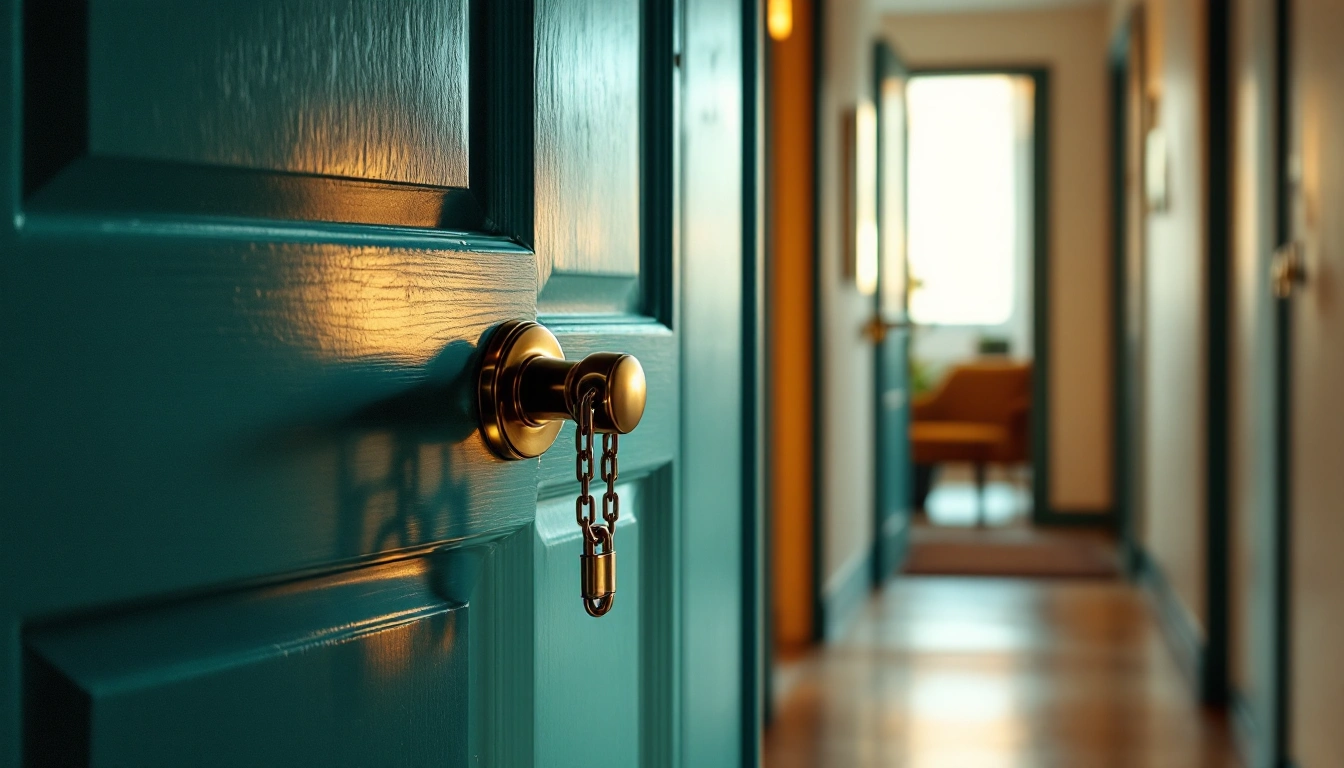
Living alone for the first time comes with a low hum of "wait, is this safe?" that nobody quite answers for you. It doesn't need a security system or a reason to be nervous — it needs twenty minutes on day one, a short shopping list under $40, and a handful of habits that take zero extra time once they're routine.
Day one: the twenty-minute check
- Test every lock — deadbolt and doorknob both — from the inside and the outside
- Press the test button on smoke detectors AND carbon monoxide detectors; don't just eyeball them
- Confirm the peephole exists and actually shows the hallway, not a blurry smudge
- Open every window and check the latch — ground-floor and fire-escape windows especially
- Walk your unit and pick a second way out, not just the front door
- Ask whether locks were changed or re-keyed since the last tenant moved out
None of this requires tools or a landlord visit — it's mostly walking around testing things you'll otherwise assume work. If a lock sticks, a detector is dead, or a window won't latch, that's a maintenance request on day one, not day ninety.
Cheap upgrades that don't need landlord sign-off
Real security systems cost real money and often require a lease amendment. These don't — they're battery-powered, renter-friendly, and come off clean at move-out.
| Upgrade | Cost | Why it's worth it |
|---|---|---|
| Door wedge alarm | $10–15 | Slides under the door; screams if someone tries to force it open while you're home. No installation, no landlord approval. |
| Portable door brace or travel lock | $15–25 | Adds a second point of resistance beyond the factory lock — packs flat, works in any rental. |
| Plug-in light timer | $10–15 | A lamp that clicks on at dusk makes an empty apartment look occupied while you're traveling or working late. |
| Motion-sensor entry light | $20–40 | Battery-powered versions need no wiring — a lit doorway is a cheap, unglamorous deterrent. |
| Stick-on door/window alarm sensors | $15–30 for a multi-pack | Battery, adhesive, loud. Removable at move-out, which matters more than it sounds like it should. |
| Video doorbell or peephole camera | $30–60 | Only if your building allows exterior alterations — check the lease before you drill or stick anything to a shared door. |
Habits that matter more than any gadget
A door alarm helps for the ten seconds something goes wrong. Habits help every day before that. These cost nothing and become invisible once they're normal:
- Share your location with one trusted person as a standing habit, not just for first dates
- Learn one neighbor's name and let them learn yours — a familiar face notices when something's off
- Have an actual plan for packages: a locker, front desk, or timing deliveries so boxes don't sit outside
- Mix up your routine occasionally rather than being perfectly predictable to anyone watching
- Keep blinds or curtains closed after dark when the lights are on
- Treat the instinct that something feels off as information, not paranoia — checking twice costs nothing
The safety that isn't yours to fix
Some safety lives at the building level, not the unit level — exterior lighting, a working buzzer or intercom, whether locks actually get changed between tenants, how well-lit the parking area is after dark. That's exactly the ground the apartment tour checklist covers, and it's worth running through before you sign, not after you've already moved in and noticed the burnt-out hallway light.
The one insurance thing worth knowing
Renters insurance is often framed as a "stuff" product — it replaces a stolen laptop or a bike lifted from a hallway — but it's worth understanding as part of a safety plan too, since most policies also cover temporary living costs if your unit becomes unlivable after a break-in or a fire. It's inexpensive relative to what it protects, and the renters insurance basics page walks through what a policy typically covers before you shop for one.