Buy Used First: The Secondhand Apartment List
Buy furniture, tables, chairs, and decor used — buy the mattress, pillows, and shower liner new. Thrift stores, Marketplace, and campus move-out season cover almost everything else for a fraction of retail.
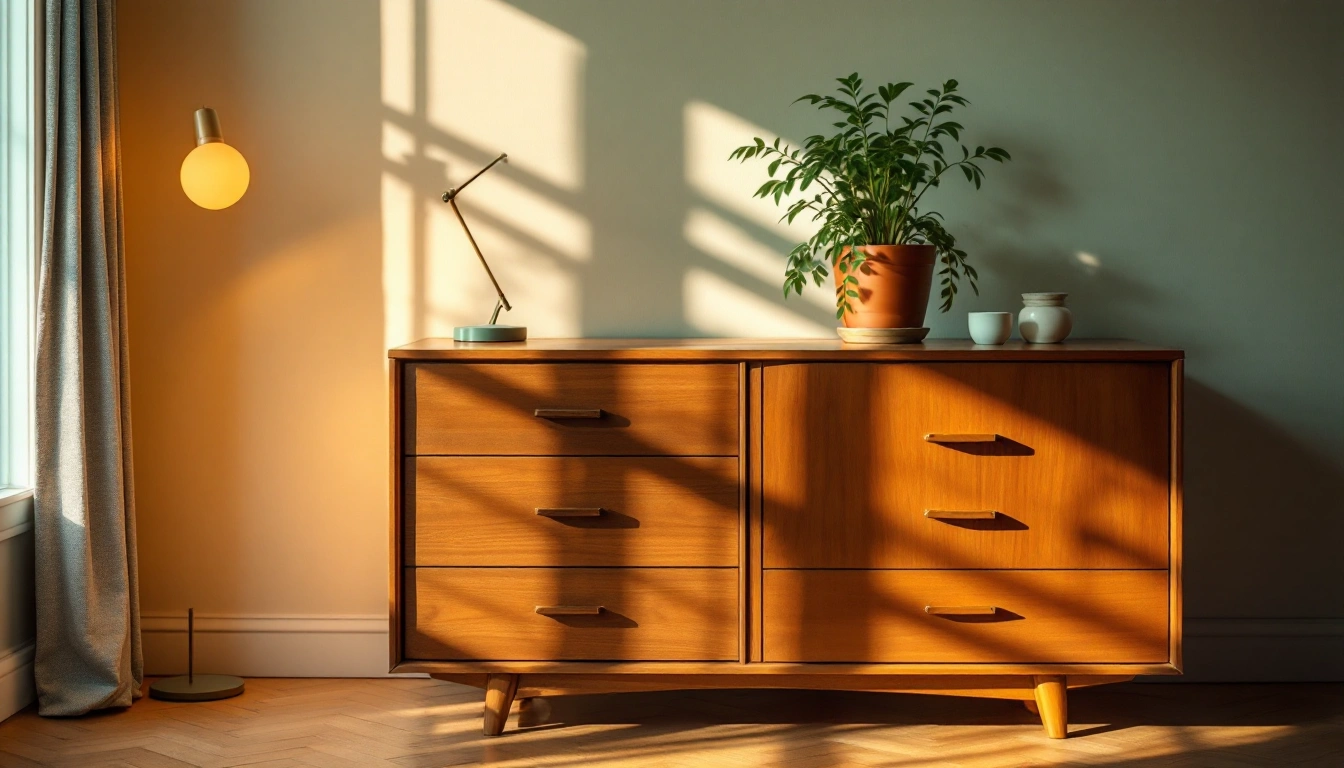
Most first-apartment budgets get wrecked by furniture bought new, at full price, from the first store that came up in a search. Almost none of that furniture needed to be new. Used solid wood outperforms new particleboard in almost every category that matters — it's sturdier, it was made when "built to last" was a design requirement instead of a marketing phrase, and it costs a third as much. This is the honest split: what to always hunt secondhand, what to always buy new, and how to tell the good used pieces from the ones to leave behind.
Buy used, always
If it's wood, metal, or ceramic and it isn't going in your mouth or on your face, buy it used. It's slower to shop this way, but every one of these categories is where secondhand quality genuinely rivals — or beats — new:
- Solid wood dressers and nightstands — the wood outlasts trends, and a hand-me-down piece often has better bones than a new flat-pack version
- Dining and side tables, especially anything solid wood or real veneer
- Chairs — dining chairs, desk chairs, accent chairs; wood and metal frames barely age
- Bookshelves
- Decor: frames, vases, mirrors, art, lamps (test the wiring before you buy)
- Small appliances you can test in the store or in front of the seller — toasters, microwaves, blenders, slow cookers
- Coffee tables, TV stands, and other case pieces
Buy new, always
Three categories are worth paying full price for, every time, no exceptions — all for the same reason: they're intimate items that can't be properly cleaned of a stranger's history.
Mattress. This is the one to actually hold the line on. A used mattress can't be fully cleaned of dust mites, allergens, bedbugs, or the general history of whoever slept on it, and there's no way to inspect the inside. Budget foam-in-a-box options exist new for $150–250 — cheaper than most people expect, and worth every dollar of the peace of mind.
Pillows. They absorb sweat, oil, and skin cells for years and can't be meaningfully cleaned. They're also one of the cheapest items on any list ($10–20 for a decent one) — not where the savings matter.
Shower liner. It lives in warm, wet conditions and grows exactly what you'd expect. A new one is $8–12. This is not the place to inherit someone else's mildew history.
Where to hunt
- Thrift and charity stores. The most reliable source for solid furniture, dishes, and decor — inventory turns over constantly, so it's worth a walk-through every few weeks rather than one big trip.
- Facebook Marketplace. The biggest selection by far, searchable by distance and price. Message quickly on anything good — real bargains get claimed in minutes, not hours.
- Buy Nothing groups. Neighborhood gifting groups where people give furniture and household items away for free. Join the group for your new address before you move in, and check it daily for the first month — the good stuff moves fast.
- Estate sales. Often the best furniture quality on this list, since estate-sale pieces are frequently decades old and built before particleboard took over. Prices drop as the sale goes on, so a last-day visit can be a real deal.
- Campus move-out season. The end of any school term is when a wave of decent furniture hits the curb and the secondhand apps, all at once, because graduating students don't want to move it. If you're near a college town, this is the single best week of the year to furnish an apartment.
A few safety basics apply everywhere on this list: meet in daylight when you can, bring a friend for anything large or from someone new, tell someone where you're going, and trust a bad feeling over a good price. For anything you're paying for, cash or an in-app payment is safer than sending money ahead of time — never pay a stranger before you've seen the item in person. Parking-lot meetups for bigger furniture are normal; a public spot with some foot traffic is better than someone's driveway if it's your first time meeting them.
How to spot quality used furniture
A few seconds of inspection tells you almost everything:
- Check the joints. Pull a drawer partway out — interlocking dovetail joints (they look like little zigzag teeth where the sides meet) mean it was built to last. Staples, glue, or nails holding corners together are a sign it was built to be cheap.
- Solid wood vs. particleboard. Knock on it — solid wood sounds dense and thuds; particleboard sounds hollow and light. Real wood also shows grain running through the edges, not just printed on the surface, and it holds a screw far better if a leg or handle ever loosens.
- The smell test. Get close before you buy. Mustiness or mildew usually means it's been in damp storage and may carry it home with it; smoke smell rarely fully airs out; a faint must in an old piece can sometimes be sunned out over a few days outside, but strong odors are a pass.
- The wobble test. Push down on a corner or push the piece sideways. A little give is normal in old furniture; a genuine wobble or a joint that flexes is a repair project, not a bargain.
- Drawers and doors. Open and close everything on the spot. Sticking, misaligned, or off-track drawers are sometimes an easy fix and sometimes a sign the whole frame has shifted — worth knowing before you carry it up three flights.